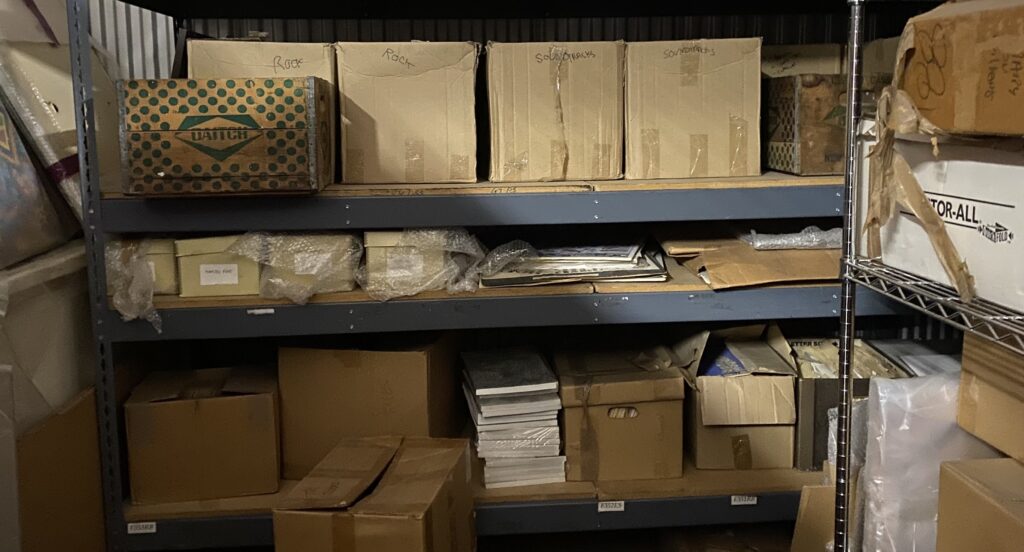
This week’s newsletter can be credited to Cube Smart Storage, that after years of constantly raising our storage fee, recently crossed a line with a 30% increase, which finally motivated us to find another facility. We should have done this years ago. Our new storage space is not only cheaper, it is nicer, more convenient, and the move has provided the added bonus of rediscovering hidden treasures that have gone unseen for years.
Below are some of the items we’ve discovered during our move. Although these collections fall outside the scope of Gallery 98, which usually focuses exclusively on art ephemera from the 1960s – 2000s, everything here is art-related. And this is just the tip of the iceberg. If your collecting interest is the history of photography, illustration, or jazz, please contact us to learn more about our recently rediscovered collections.
Contact Gallery 98
David Stone Martin and The First Illustrated 78 RPM Record Albums in the 1940s
Asch Records was one of the first to start packaging 78 rpm records into albums with cover illustrations. The company’s founder Moe Asch was a political progressive who considered folk and jazz the “people’s music,” and favored controversial artists like Woody Guthrie and Pete Seeger. Starting in 1944, most of the Asch Records covers were by David Stone Martin, a T.V.A. veteran and a close friend of the political artist Ben Shahn. Years later, Asch started Folkways Records, and Martin moved on to Verve Records, and is now posthumously celebrated as a master of jazz illustrations.
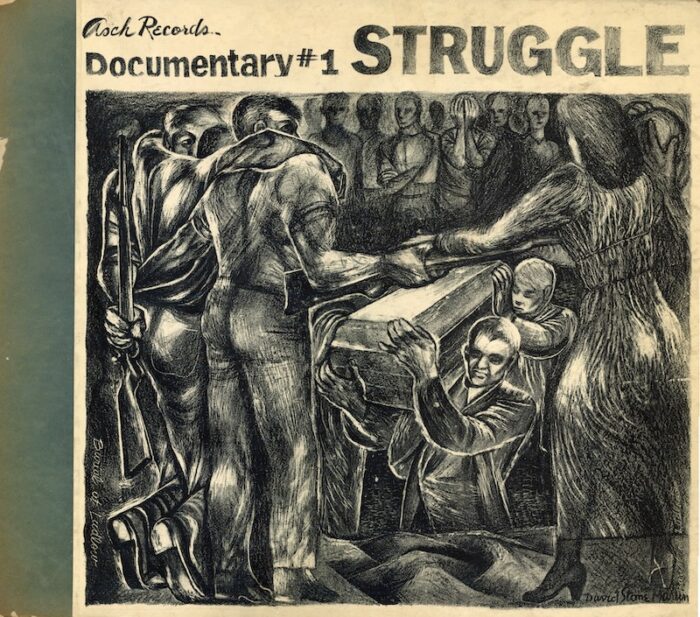
Woody Guthrie, Struggle, Cover by David Stone Martin, 78 RPM Album with 2 Record (1 Missing), Asch Records, 1945. Size: 12 x 10.5 inches — For Sale
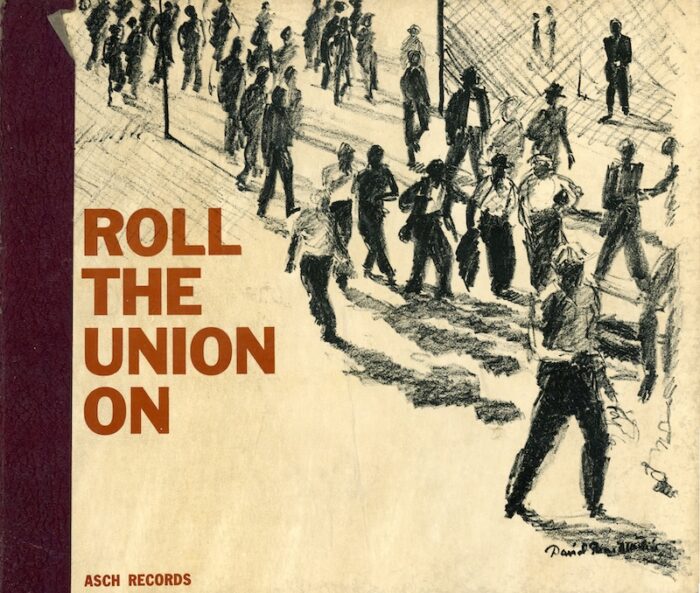
Pete Seeger with Lee Hays and Claude Williams, Roll The Union On, Cover by David Stone Martin, 78 RPM Album Containing 3 Records, Asch Records, 1947. Size: 12 x 10.5 inches — For Sale
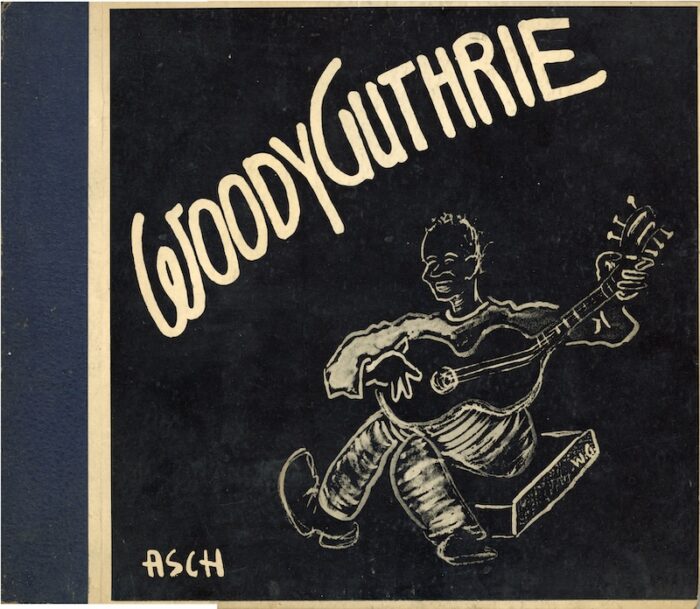
Woody Guthrie, Cover by Woody Guthrie, 78 RPM Album Containing 3 Records, Asch Records, 1945. Size: 12 x 10.5 inches — For Sale
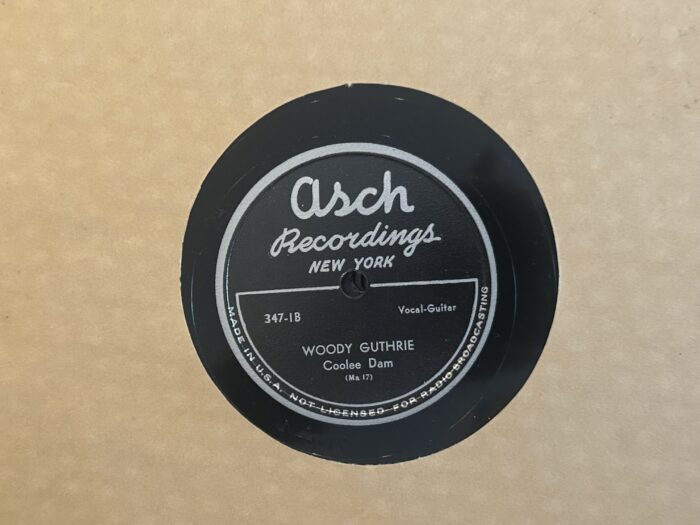
One of the three 78 RPM records from the Woody Guthrie album. 78 RPM records are made from shellac, not vinyl.
Jazz Photographs from The San Francisco Nightclub Keystone Korner, 1972 – 83
This collection of over 50 photographs and a few posters is connected to Keystone Korner, a jazz venue that operated in the North Beach section of San Francisco from 1972 to 1983. Founded by Todd Barkan, the club specialized in “psychedelic jazz,” a catchall term that embraced a range of innovative musicians. Many talented photographers gravitated to the club, including Tom Copi, the house photographer, and Kathy Sloane, who later published the photo book Keystone Korner: Portrait of a Jazz Club (2011).
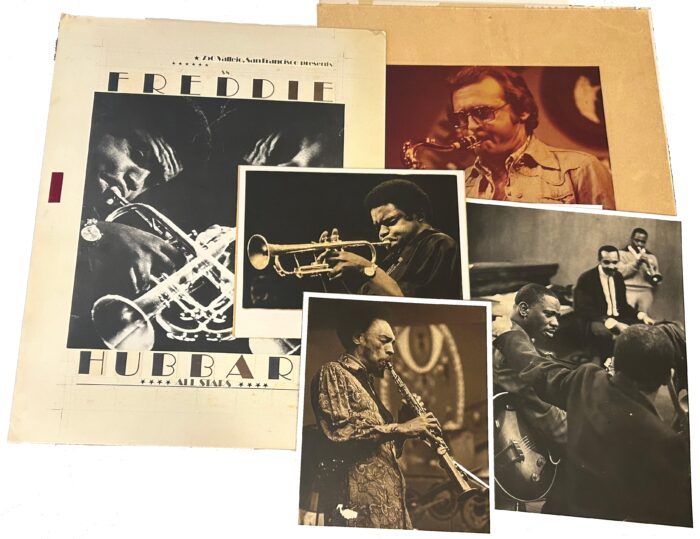
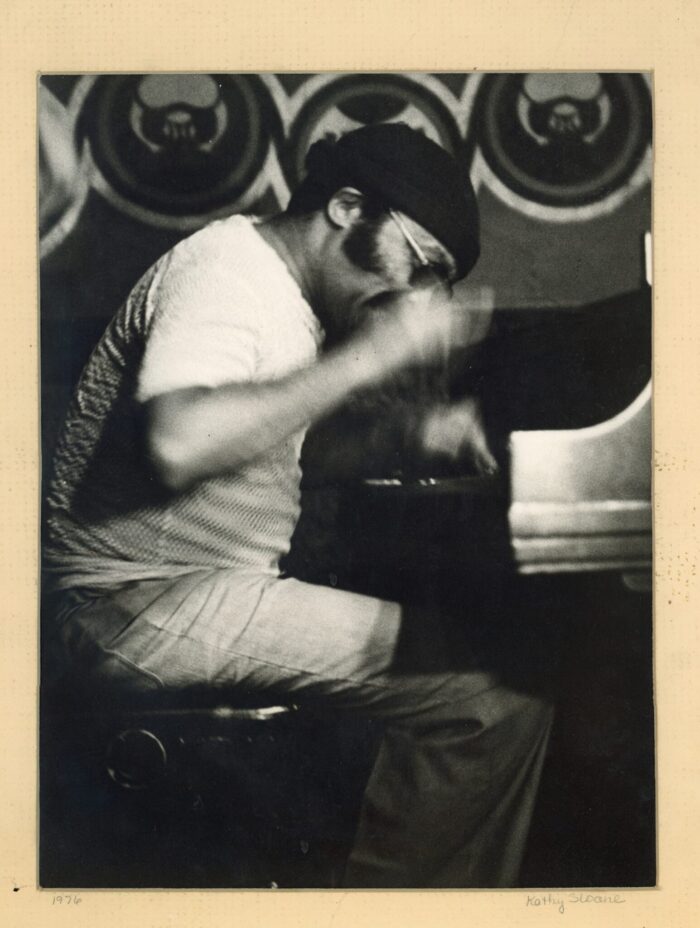
Cecil Taylor, Photograph by Kathy Sloane, 1976. Matte Size: 16 x 14 inches. Photo Size: 9.5 x 7 inches — For Sale
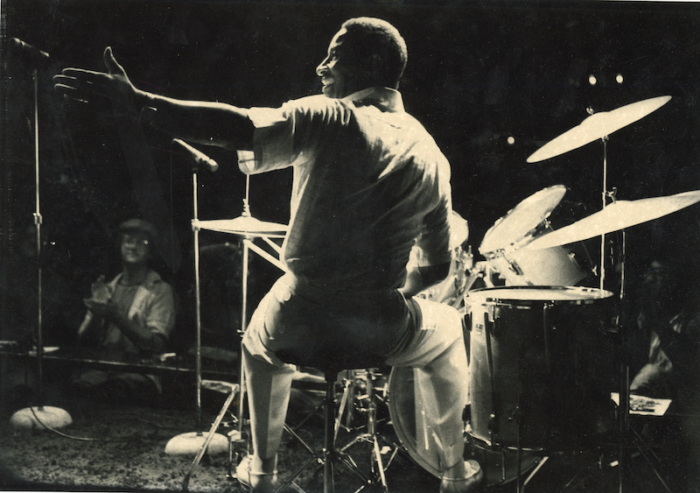
Max Roach, Photograph by Brian McMillen, 1979. Photo Size: 19 x 13.5 inches — For Sale
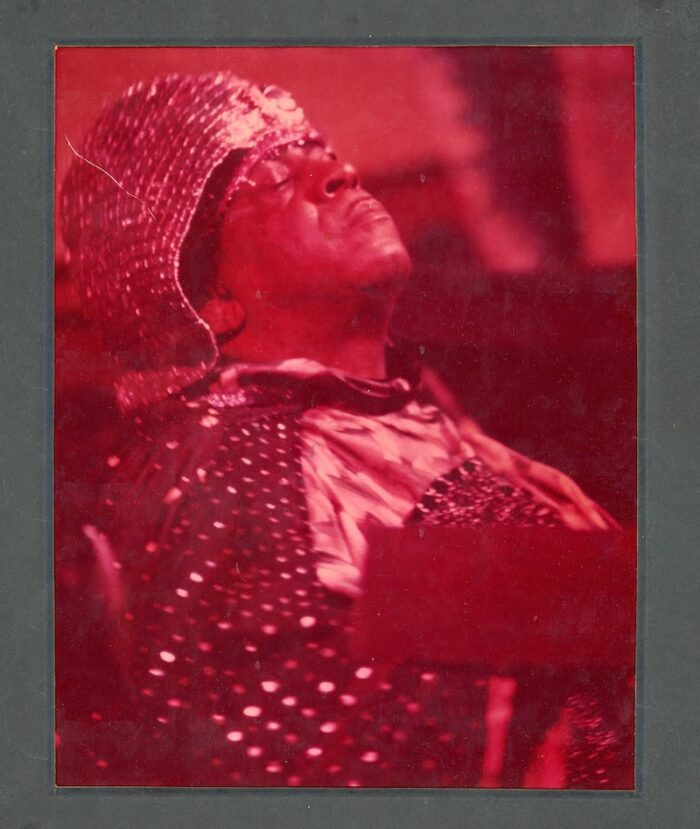
Sun Ra, Photograph by Ray Cotter Jr, 1974. Matte Size: 20 x 15 inches. Photo Size: 13.5 x 10.5 inches — For Sale
Types of American Beauty Drawn by Neysa McMein, McCall’s, 1924
Neysa McMein, the highest-paid female artist of the 1920s (The Jazz Age), was known for her skill in depicting attractive and fashionable models. She was a regular at the Algonquin Round Table, and famous for hosting celebrity-filled parties at her studio above Carnegie Hall, where she was often seen at her easel painting posed models. From 1923 – 1938, McMein illustrated every cover for the women’s magazine McCall’s, often working in series such as, “Types of American Beauty,” which appeared in 12 issues from January to December, 1924.
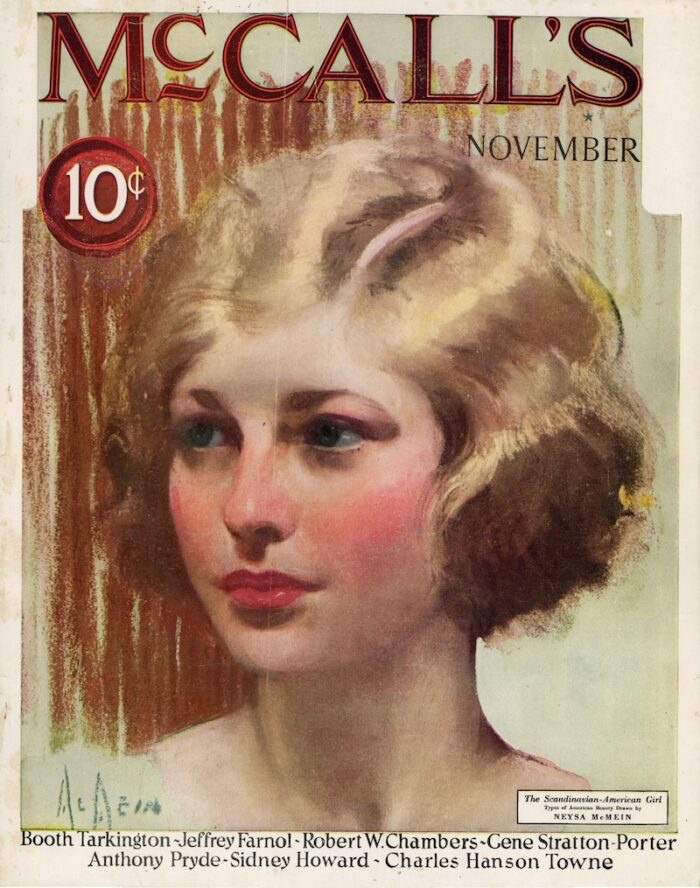
The Scandinavian-American Girl, Types of American Beauty Drawn by Neysa McMein, McCall’s, November 1924. Size: 13 x 11.5 inches — For Sale as a set of 12 issues
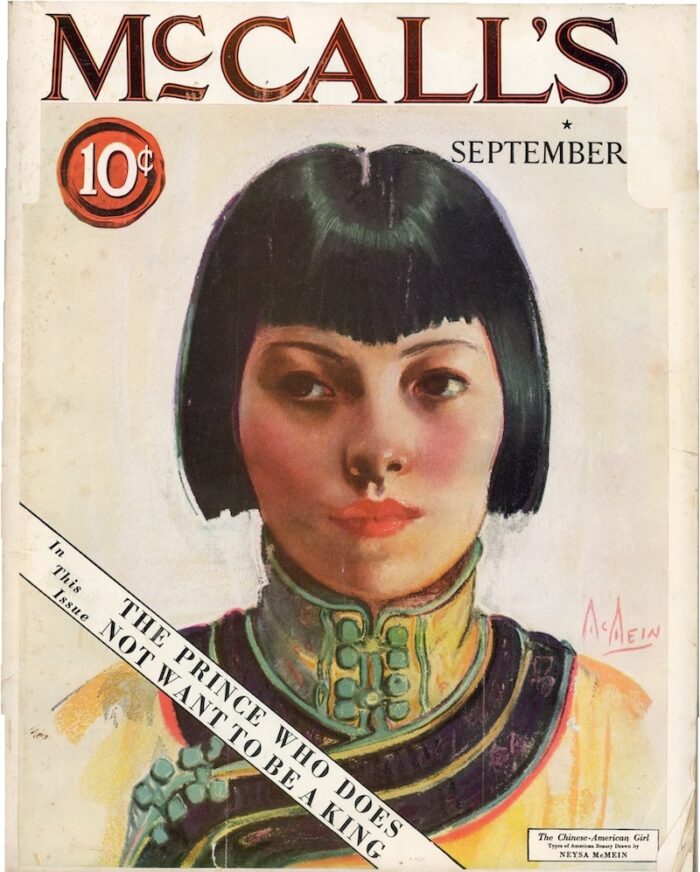
The Chinese-American Girl, Types of American Beauty Drawn by Neysa McMein, McCall’s, September 1924. Size: 13 x 11.5 inches — For Sale as a set of 12 issues
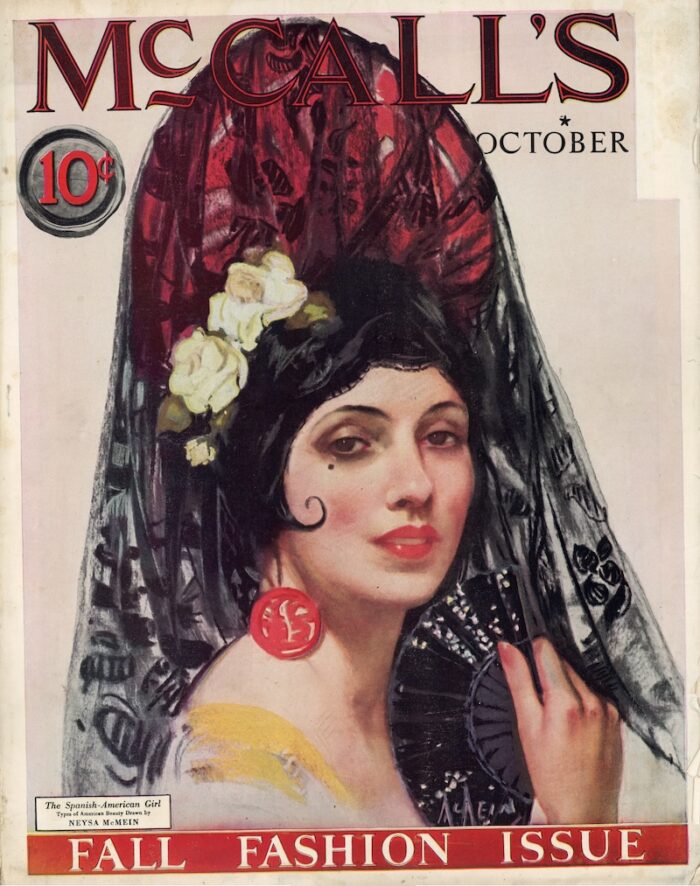
The Spanish-American Girl, Types of American Beauty Drawn by Neysa McMein, McCall’s, October 1924. Size: 13 x 11.5 inches — For Sale as a set of 12 issues
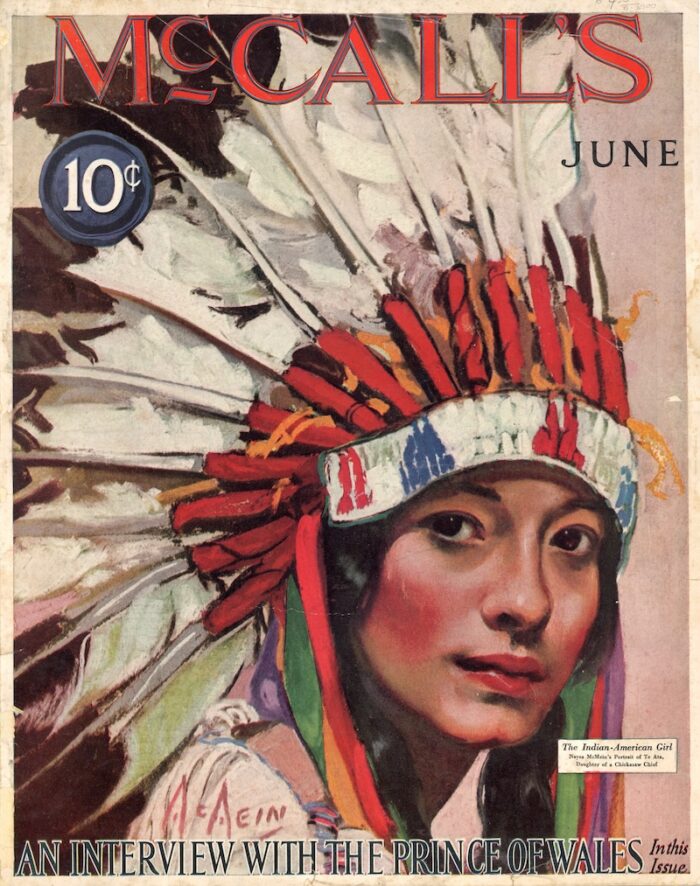
The Indian-American Girl, Neysa McMein’s Portrait of Te Ata, Daughter of a Chicksaw Chief, McCall’s, June 1924. Size: 13 x 11.5 inches — For Sale as a set of 12 issues
E. Simms Campbell: The “Jackie Robinson” of Commercial Art and Cartooning
In the mid-1930s, E. Simms Campbell’s “Harlem Sketches” was a regular feature in the Amsterdam News. He was soon hired by the men’s magazine Esquire, where his racial identity was largely kept a secret from the publication’s predominantly white audience. Campbell is famous for creating the magazine’s “Esky” logo, and for his “good girl” cartoons featuring attractive young woman, usually in skimpy or form-fitting clothing. He is generally credited as the first African-American cartoonist to be published and syndicated in nationally distributed mainstream magazines.
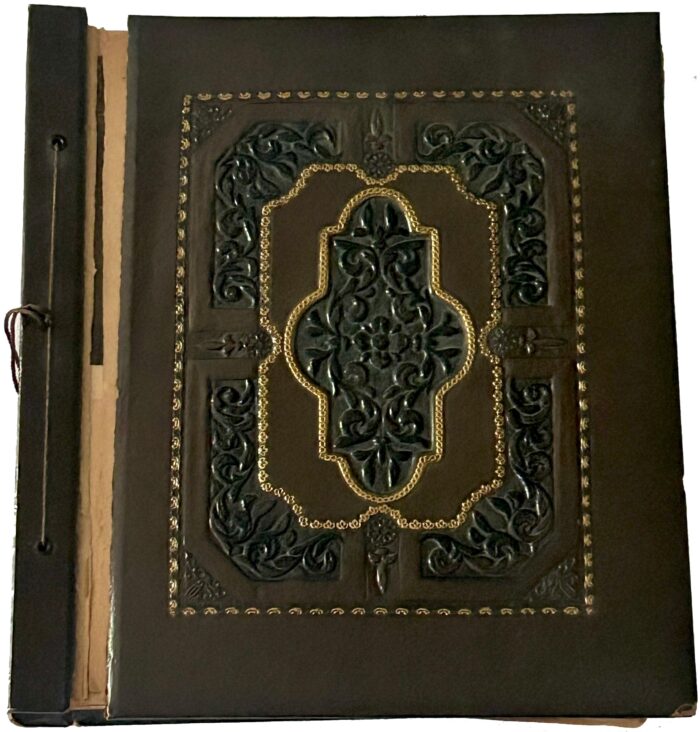
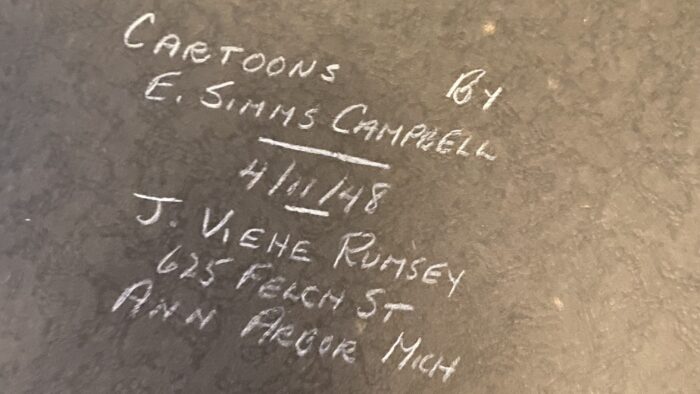
E. Simms Campbell, a high-end embossed leather Scrapbook with over 100 pages of Campbell Cartoons compiled by J. Viehe Rumsey, April 11, 1948. Cover and first five pages are detached. Size: 15 x 12 inches — For Sale
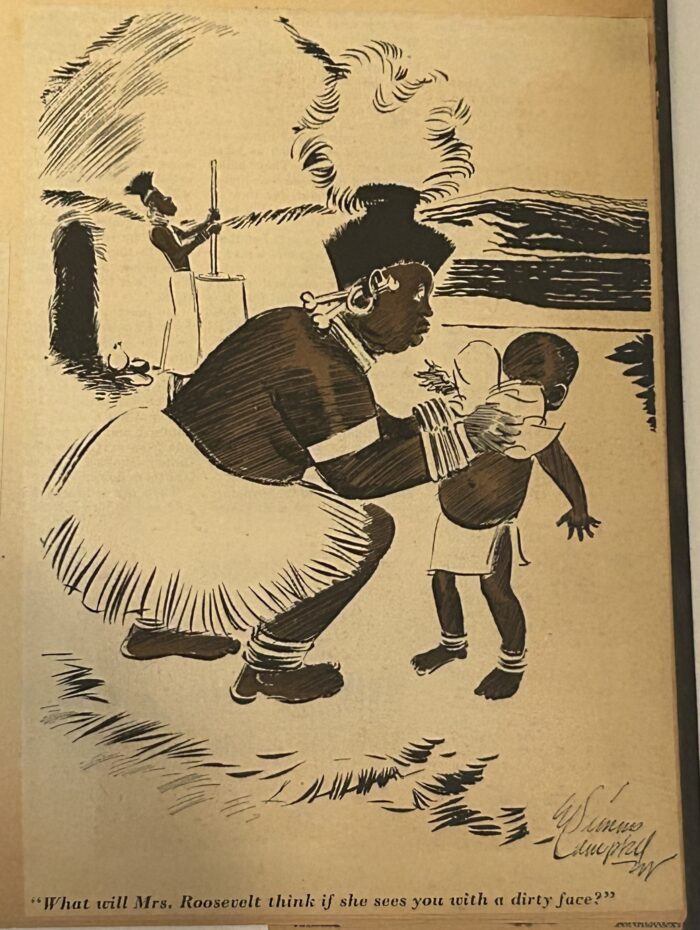
“What will Mrs. Roosevelt think if she sees you with a dirty face?” from a scrapbook of E. Simms Campbell cartoons, before 1948 — Scrapbook for sale
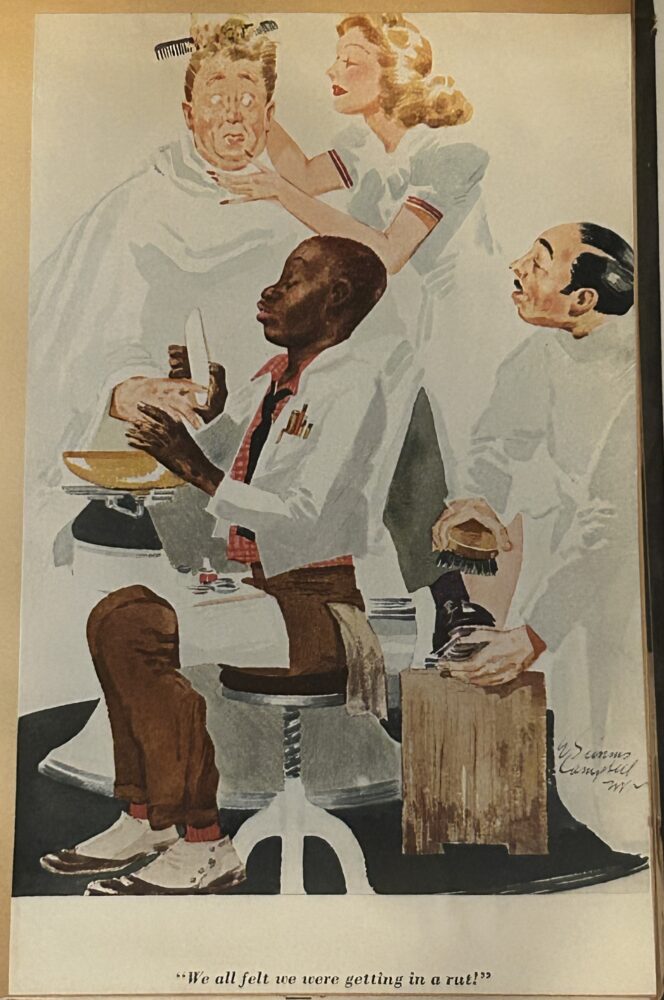
“We all felt we were getting in a rut!” from a scrapbook of E. Simms Campbell cartoons, before 1948 — Scrapbook for sale
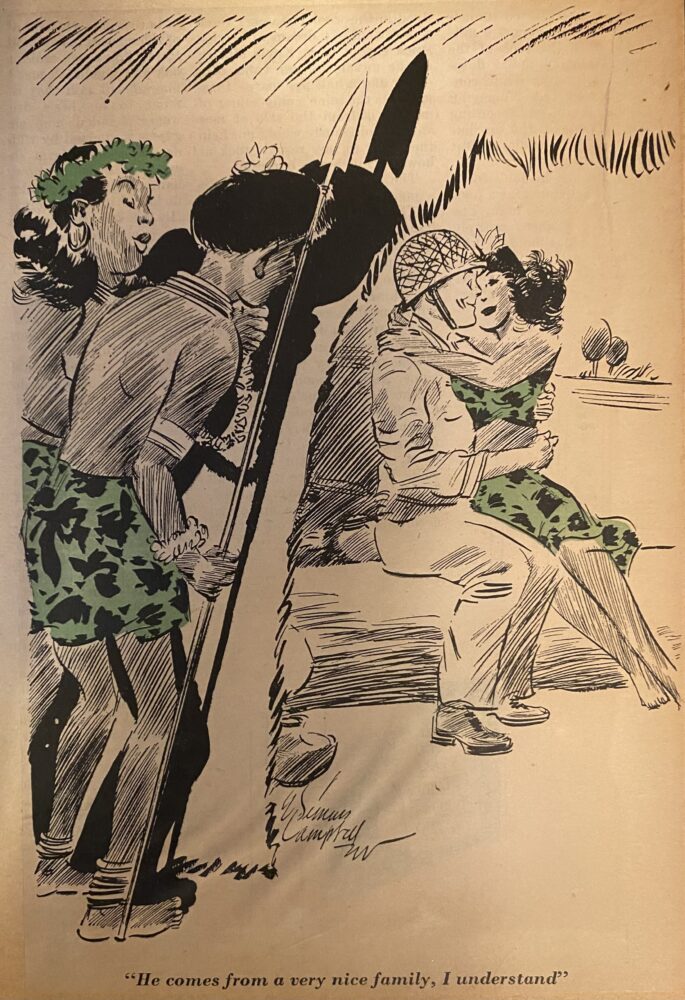
“He comes from a very nice family, I understand” from a scrapbook of E. Simms Campbell cartoons, before 1948 — Scrapbook for sale
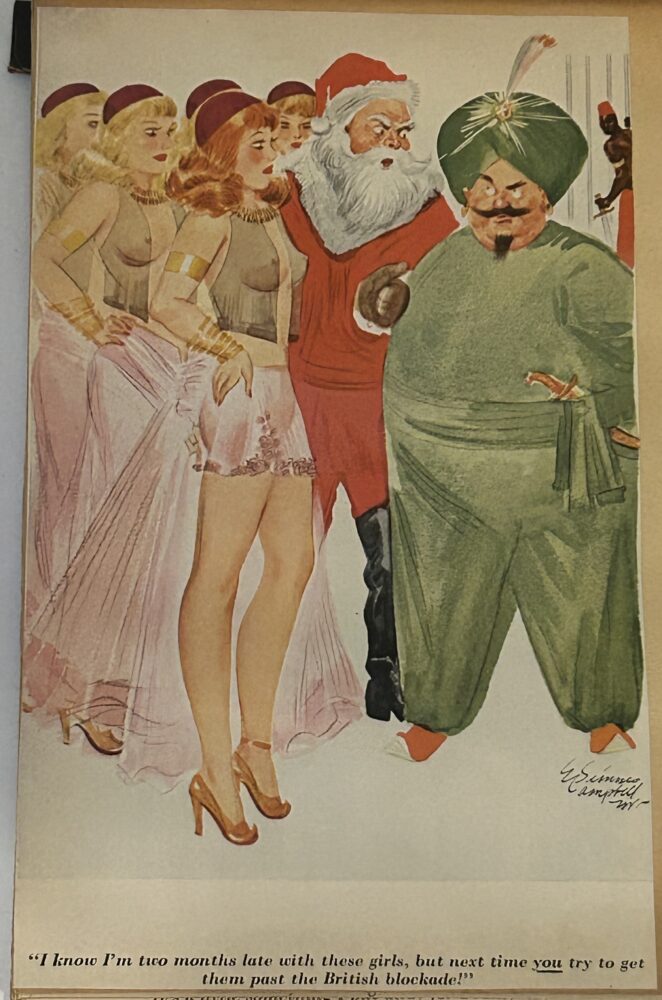
“I know I’m two months late with these girls, but next time you try to get them past the British blockade!” from a scrapbook of E. Simms Campbell cartoons, before 1948 — Scrapbook for sale